Let’s talk about history—in person, on battlefields, at historical events, via Zoom, or at conferences!
If you’re interested in scheduling a presentation, please use the contact form. Below, you’ll find my current presentations.
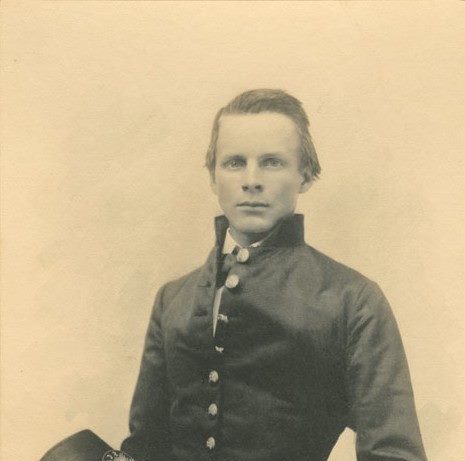
John Pelham Presentations
“I gloried in it”: Battles & Leadership of John Pelham Twenty-two years old when the Civil War began, John Pelham personally seceded from West Point in the spring of 1861 and joined his home state in the Confederacy’s ranks. He started as a lieutenant and rose to the rank of major and commander of the Stuart Horse Artillery before his sudden death in 1863. From Alabama to Virginia, to Maryland and Pennsylvania, this young officer showed leadership capabilities, innovative tactics, and “gallantry” that won him recognition from Generals Lee, Jackson, and Stuart. Come explore Pelham’s battles, artillery, and leadership from his first combat at First Bull Run to his final hours near Kelly’s Ford. (45-55 min. Powerpoint images available.)
John Pelham: Trained at West Point but Aiming Artillery for the Confederacy
What was it like to be a cadet at West Point for five years immediately prior to the Civil War? How did one of the last cadets to resign and head south justify his actions in his own mind? Did his West Point training influence his role as commander of the Stuart Horse Artillery from 1861 to 1863? This program uses primary sources to examine the difficult decisions facing a young Alabamian in the years before and during America’s costliest and bitterest conflict. Whether we agree or not with John Pelham’s conclusions, understanding the context of his decisions and the formation of his leadership is key to exploring his battlefield tactics, motivations, and military innovations. (45-55 min. Powerpoint images available.)
John Pelham in the Shenandoah Valley
Confederate artillerist John Pelham fought many of his most famous battles outside the Shenandoah Valley, but some of the pivotal moments of his military experiences started in this key Virginia location. From 1861 until his death in 1863, Pelham commanded the Stuart Horse Artillery and he gallops in and out of the Shenandoah Valley, giving opportunity to explore regional history within biographical and Civil War artillery stories. Come explore the bustling days of 1861 as Pelham arrived in Harpers Ferry, just weeks after leaving West Point. Note the turning of the seasons and examine two important military movements that launched from the Shenandoah Valley: the Chambersburg Raid of 1862 and the Loudoun Valley Campaign. Then consider if the Shenandoah Valley was the backdrop for young Pelham and serious romance. In this new program, historian Sarah Kay Bierle will take you on a journey along the backroads of Shenandoah Valley history and through unique accounts from the life of “Gallant Pelham.” (45-55 min. Powerpoint images available.)
John Pelham’s Fall & The Rise of a Confederate Legend On March 17, 1863, Major John Pelham—commander of the Stuart Horse Artillery—fell off his horse mortally wounded. That day at Kelly’s Ford marked the end of his short life and the beginning of his memory and influential legends. This presentation explores the experiences of the twenty-four-year-old officer, his battlefield tactics and innovations, and how he rose to fame during his life and even more after his death. (45-55 min. Powerpoint images available.)
“360 Rounds”: Captain John Pelham & the Stuart Horse Artillery at the Battle of Williamsburg Positioned near Fort Magruder during the Battle of Williamsburg, the Stuart Horse Artillery experienced its first battle in May 1862. Here, the battery’s young commander put his newly trained cannoneers to a test of courage under fire, forging a reputation that would follow them to many other battlefields. This program will explore John Pelham’s life, tactics, and military legacy and focus on his artillery’s effects at Williamsburg and other fights on the Virginia Peninsula during the spring and summer of 1862.
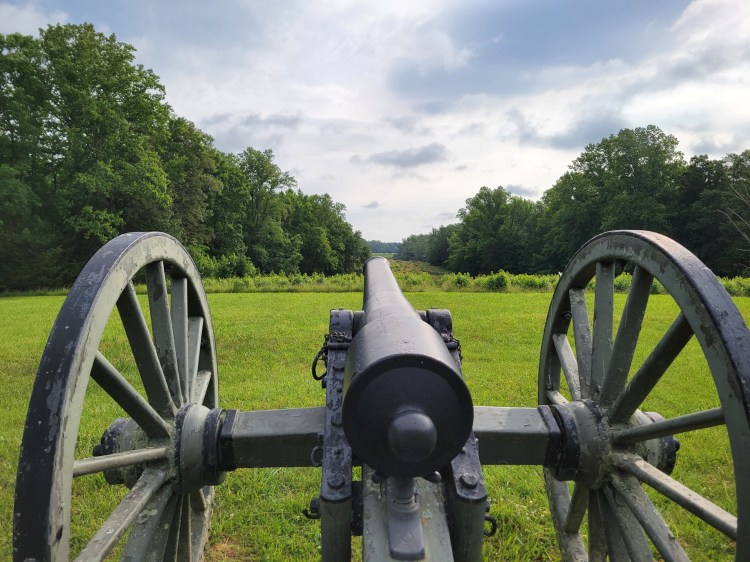
Battle of Chancellorsville Presentations
Critical Decisions at Chancellorsville What is a “critical decision”? How did critical decisions unfold during the Battle of Chancellorsville, fought in Central Virginia during the spring of 1863? This program offers an overview of the Battle of Chancellorsville, an outline of 16 key decisions, and then a “deep dive” on 2 of those impactful decisions and their outcomes. Get ready to be an “arm-chair general” to judge the choices of the past, and rediscover the Battle of Chancellorsville through the lens of military decisions. (45-55 min. Powerpoint images available.)
A Tale of Two Artillerymen: Robert Beckham and Justin Dimick at Chancellorsville The Confederate artilleryman who had just become the commander of the Stuart Horse Artillery? A kid who got kicked out of West Point TWICE and still graduated? This presentation delves into the personal Civil War stories of Robert Beckham and Justin Dimick, then examines their artillery batteries and their decisions to fire along the Orange Turnpike during the Battle of Chancellorsville. Though on opposing sides, these young artillerymen’s stories remind us that history is about real people and takes a closer look at the common threads connecting their stories on the battlefield. (45-55 min. Powerpoint images available.)

Battle of New Market Presentations
From Virginia to California: VMI, The Battle of New Market, & The Post War Lives of 8 Cadets Connecting east coast and west coast history, this presentation examines the experience of cadets at Virginia Military Institute during the Civilian, the corps’ role in the Battle of New Market on May 15, 1864, and how veteran cadets sought new opportunities and used their leadership skills in the Golden State. (45-50 min. Powerpoint images available)
Sigel & Breckinridge: Lessons in Leadership from the Battle of New Market Two generals, two different life stories, and one battlefield where they clashed. This presentation examines the lives and experiences of Union General Franz Sigel and Confederate John C. Breckinridge and how their leadership styles and decisions changed history on a rainy afternoon near the crossroads town of New Market on May 15, 1864. (45-50 min. Powerpoint images available)
The New Market Campaign How did the armies get to New Market for the battle on May 15, 1864? What were the objectives of the campaign? How did the campaign and battle fit into the overall strategic plans for the war in Virginia? This presentation delves deeper in the New Market Campaign and reexamines its challenges and outcomes beyond the famous battle. (45-50 min. Powerpoint images available)

Other Favorite Presentations
Arabella Barlow: “Serene and Self-Possessed” Arabella Barlow, wife of General Francis C. Barlow, began her nursing service with the U.S. Sanitary Commission during the Peninsula Campaign in 1862. There, she ventured into “a man’s world” in the hospitals, won respect, and learned her duties and position as a Sanitary Commission nurse and officer’s wife. From Mrs. Barlow’s journey by ship to military campaign details and behind the lines medical efforts, her history offers insight into the war culture and women’s traditional and new roles. (45-55 minutes, Powerpoint images available.)
The Chambersburg Raid Exploring the day by day, town by town details of Confederate General J.E.B. Stuart’s cavalry raid into Pennsylvania during October 1862. Did it really accomplish the objectives? Was it worth the miles and the gallantry? This presentation explores the motives, military details, civilian interactions, and outcomes of Stuart’s second ride around McClellan. (45-50 minutes, Powerpoint images available.)
From California to Gettysburg: The Hancock Family In 1858, Winfield and Almira Hancock and their two children moved to California. As a U.S. Army officer, Winfield S. Hancock’s duties had taken the family to several remote outposts, but their time in California would be some of their most memorable days. The American Civil War began while the Hancocks were in California, and this conflict presented challenging choices. Their decision – made in California – would impact one of the great battles of the war. (45-50 min. Powerpoint images available).
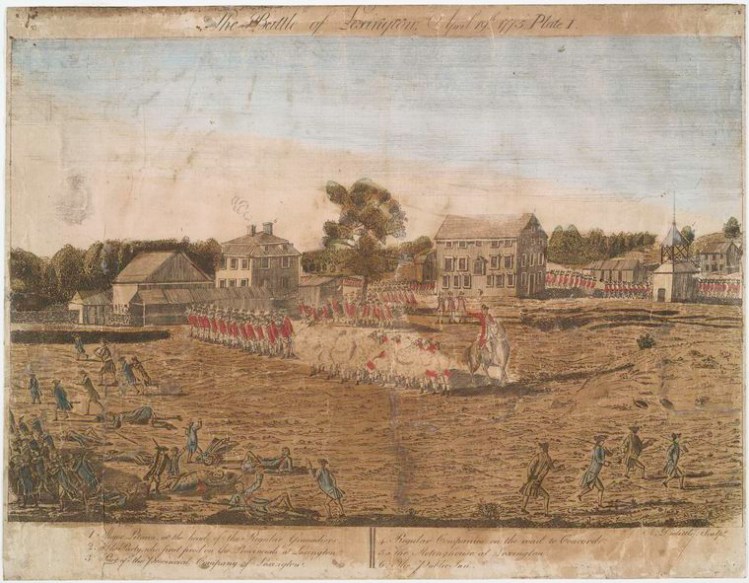
Revolutionary War
Nathan Hale: Schoolteacher, Revolutionary, Spy “Let us march immediately and never lay down our arms until we obtain our independence,” declared Nathan Hale at a town meeting in 1775. A young schoolmaster from Connecticut, Hale volunteered earlier to fight for the American cause. He kept a journal through the winter weeks of the Siege of Boston, heard about the Declaration of Independence while with Washington’s Army in the New York Campaign, and volunteered for an important, ultimately fatal, spy mission. Though usually remembered for his final moments (and probably mythic last words about one life and one country), Nathan Hale urged and supported liberty and independence in a revolutionary way during his lifetime. This program explores Hale’s life, service, and enduring legacy beyond his famous last words. (45-55 minutes. Powerpoint images available)
“To Command The Attention of the Wife and Mother”: Women & the American Revolution 250 years ago, the American Revolution led to the independence of the United States from Great Britain. What did women gain and lose during the eight years of the Revolutionary War? Abigail Adams wrote the now-famous phrase “Remember the ladies,” point out the political and social challenges that women faced while also hoping for change in the new nation. Come examine the writings and lives of Mercy Warren, Abigail Adams, Lucy Knox, Polly Cooper, and Sarah Osborn Benjamin. (45-55 minutes. Powerpoint images available)

